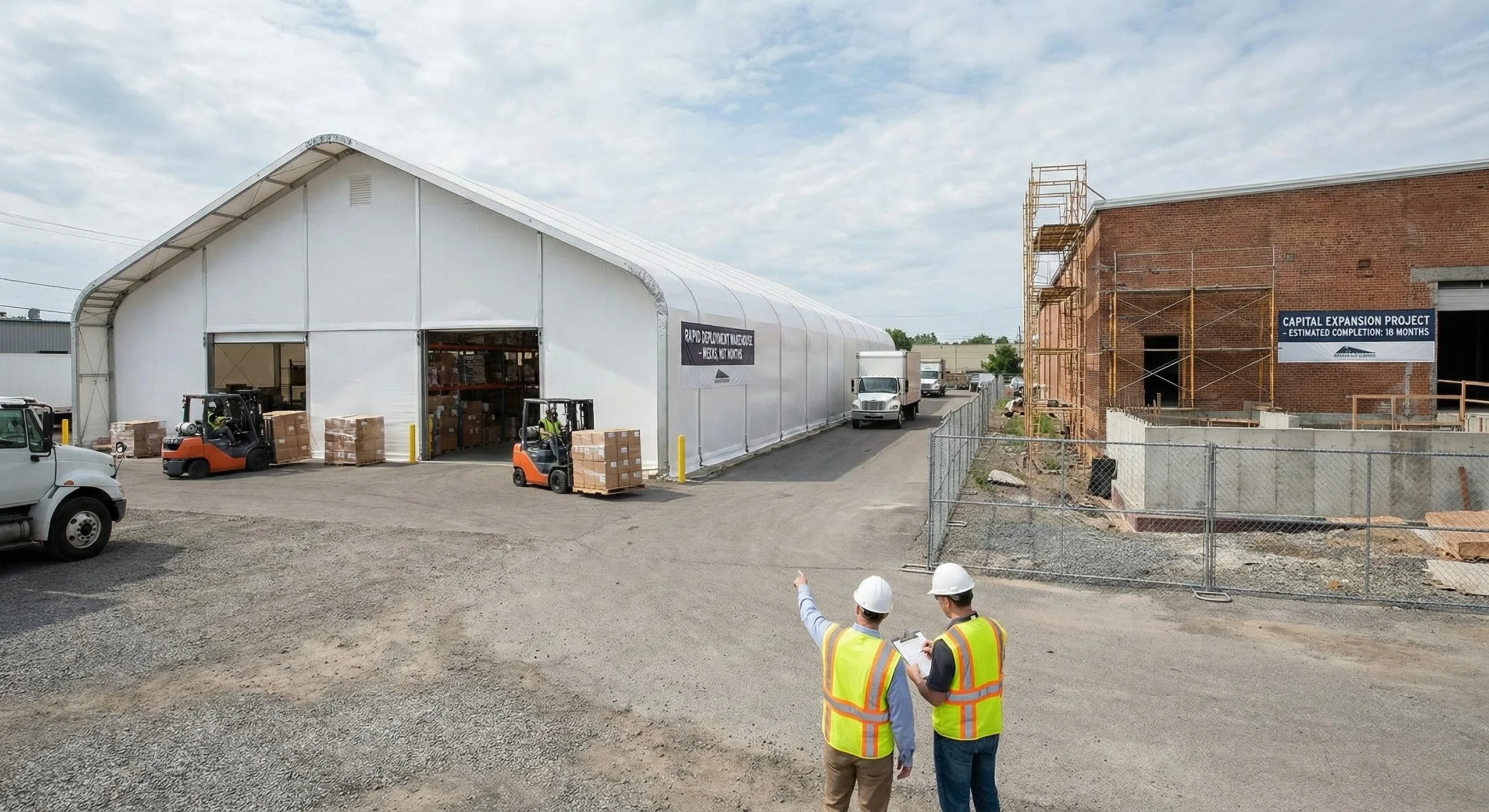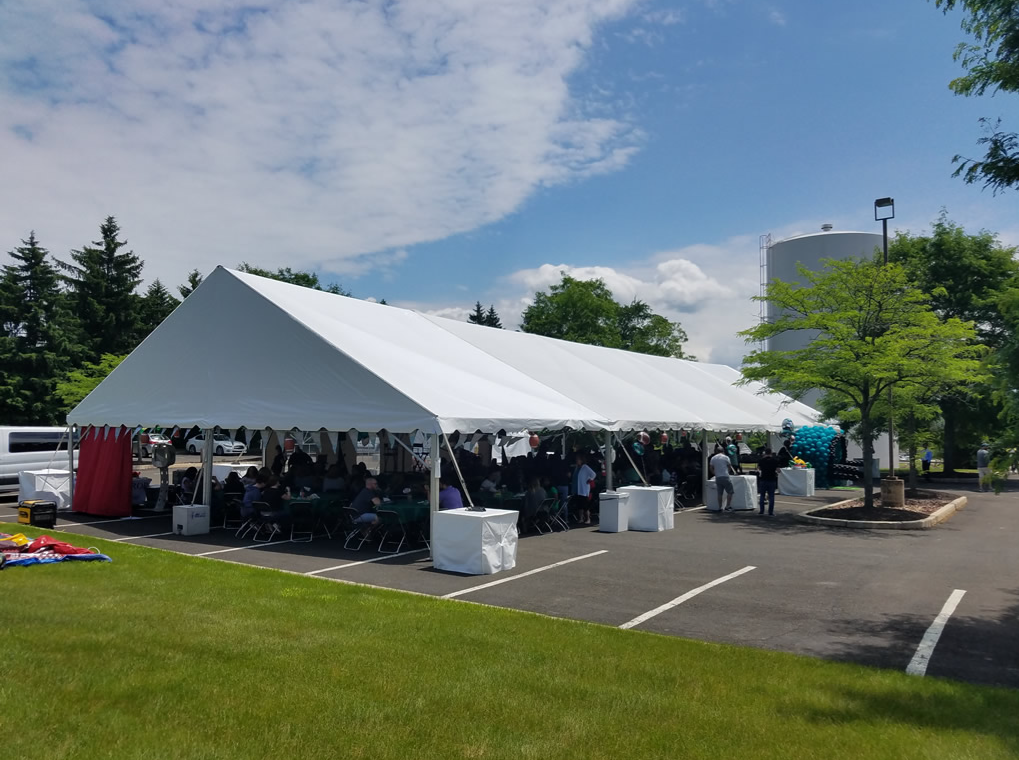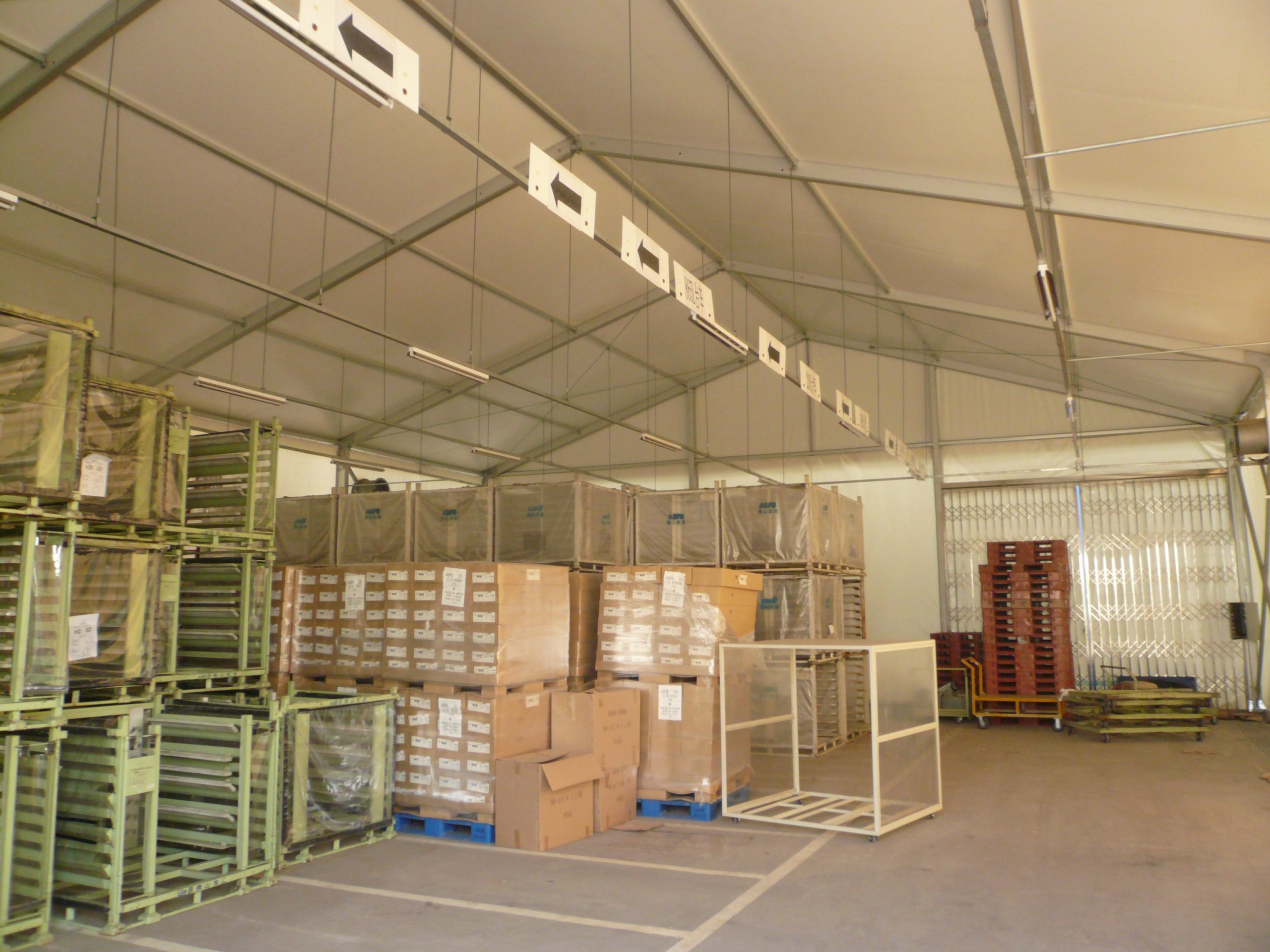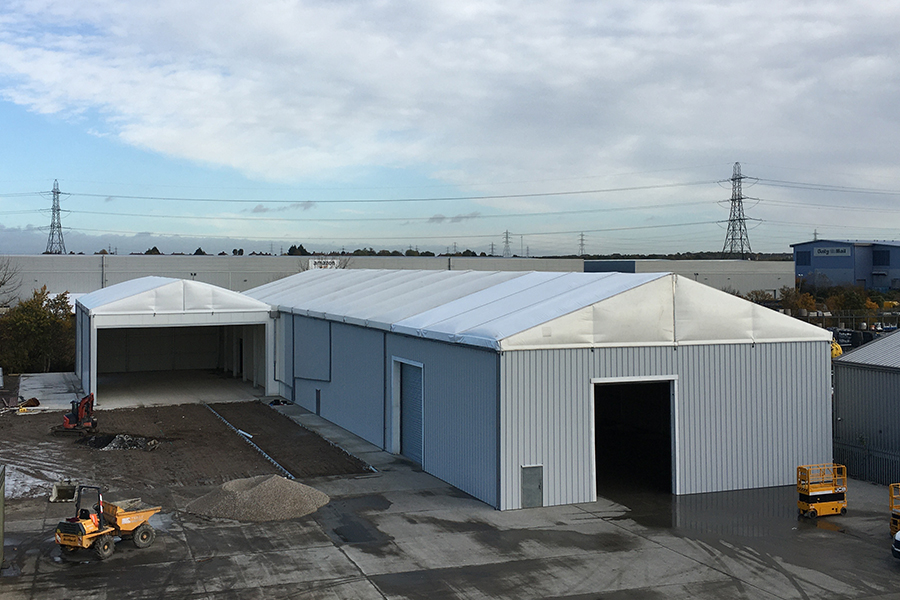
You know the drill. Supply chain bottlenecks ease up, inventory floods in, and suddenly your facility is bursting at the seams. You need more space immediately, but capital expenditures are under tight scrutiny. The classic dilemma emerges: do you commit to a traditional brick-and-mortar expansion, or do you look for an alternative that won’t drain your cash reserves or take years to complete?
Quick Summary
When evaluating warehouse tents vs permanent buildings, warehouse tents win decisively on both cost and speed. You can deploy an industrial tent in weeks rather than months, slashing temporary warehouse construction time by up to 70%. Storage tents cost significantly less upfront, bypass expensive deep concrete foundations, and often provide favorable tax depreciation benefits, making them the most financially viable choice for rapid, flexible expansion.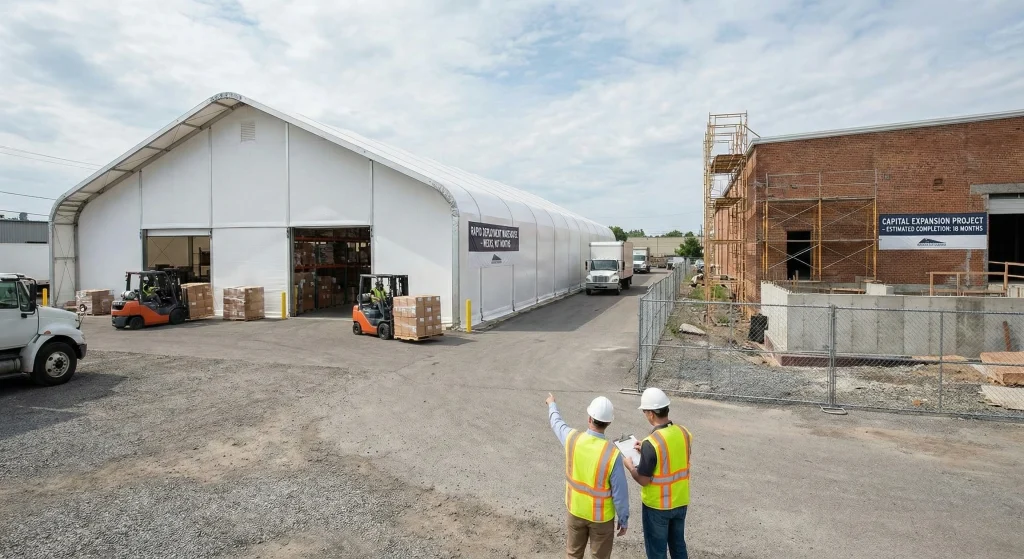
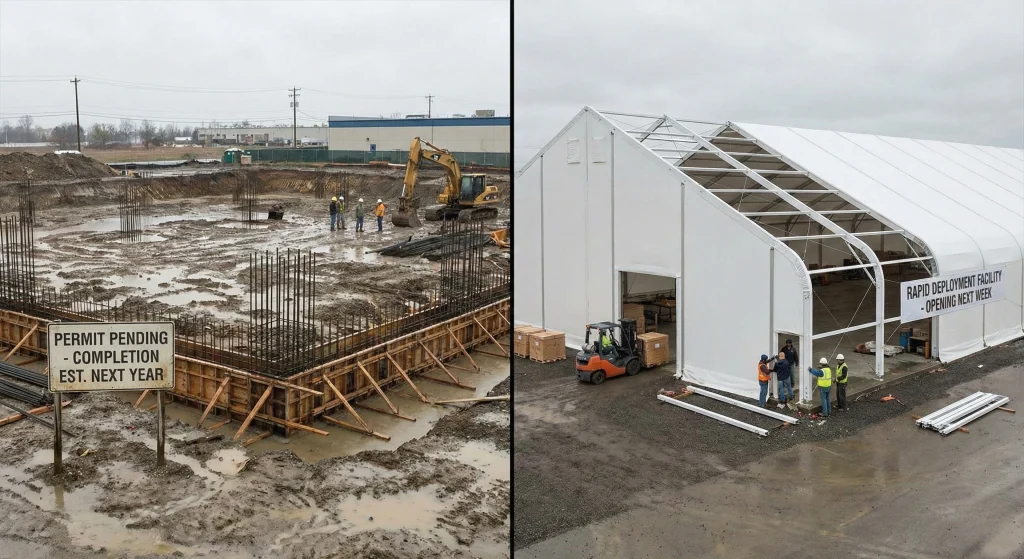
Construction Time: Days vs. Months (Speed Comparison)
When a massive new contract lands, telling your client you will have the capacity to handle their inventory “sometime next year” simply doesn’t work. Time is money, and construction schedules directly impact your bottom line.
The Timeline for Permanent Buildings
Building a traditional warehouse is a slow, methodical process fraught with administrative and environmental delays. If you choose this route, prepare your operations team for a long wait.
- Permitting: Getting local government approval for a permanent structure can drag on for three to six months.
- Foundation Pouring: Traditional buildings require deep, level concrete foundations. Site excavation and curing times add weeks to the project.
- Weather Interruptions: Rain, freezing temperatures, or high winds will bring traditional construction sites to a complete halt.
The Timeline for Warehouse Tents
If you need space right now, industrial tents change the entire equation. We are talking about weeks from the purchase order to having a fully functional facility.
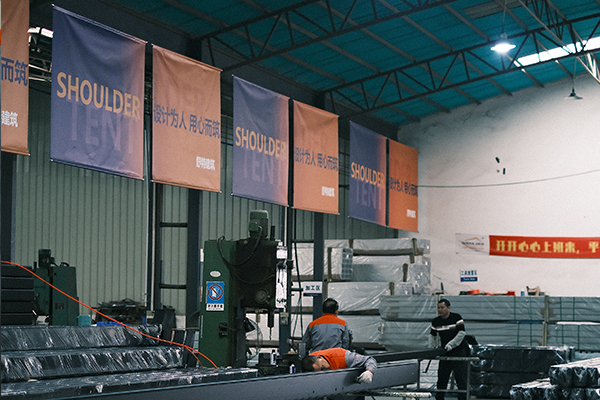
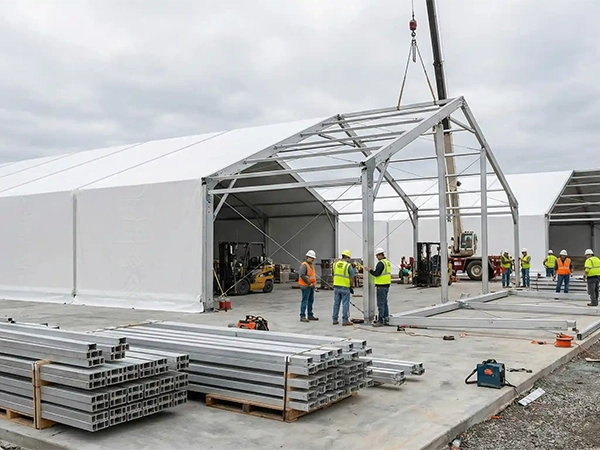
- Pre-engineered Modular Frames: We manufacture the heavy-duty aluminum alloy frames off-site. When they arrive at your facility, they are ready to assemble immediately.
- Rapid Installation: A professional crew can erect hundreds of square meters per day.
- Bypassing Weather Delays: Because the assembly process is largely about connecting prefabricated components, minor weather events rarely disrupt the installation schedule.
The True Cost Breakdown (Financial Comparison)
Let’s look at the numbers. As a CFO or facility director, you have to justify every dollar spent. Comparing temporary vs permanent structures requires looking past just the sticker price of materials.
Upfront Capital Expenditure
Building a traditional brick-and-mortar facility usually runs anywhere from $75 to $150 per square foot, depending on your region and specific requirements. You are paying heavily for specialized labor, masonry, heavy machinery rentals, and extended contractor fees.
Storage tents cost a fraction of that. Because the components are standardized and the labor hours required to assemble them are so low, your initial capital outlay drops dramatically. You get the same functional square footage without the premium price tag.
Groundwork & Foundation Costs
This is the hidden expense that catches many expansion projects off guard.
- Permanent Buildings: You must pay for extensive grading, deep excavation, and massive concrete pours. This groundwork alone can eat up 15% to 20% of your total budget.
- Storage Tents: Industrial tents utilize flexible anchoring systems. Whether you have existing asphalt, gravel, or a basic concrete pad, we can secure the structure safely without requiring you to pour a new, specialized foundation.

ROI and Tax Advantages
Industrial tent ROI goes beyond just saving money on the initial purchase. Temporary structures offer unique financial leverage. Because the IRS and international tax bodies often classify these tents as equipment rather than permanent real estate, you can usually take advantage of accelerated depreciation. Instead of writing off a building over 39 years, you might be able to depreciate a storage tent in just seven years. Always check with your corporate tax advisor, but this classification alone can massive improve your immediate cash flow.
Side-by-Side Comparison: Tents vs. Traditional Warehouses
To give you a clear, high-level view of how these options stack up, review the data below.
| Feature | Storage Tents | Permanent Buildings |
| Time to Build | 2 to 6 Weeks | 6 to 12+ Months |
| Upfront Costs | Low ($) | High ($$$) |
| Foundation Needs | Minimal (Anchors into existing ground) | Extensive (Deep concrete slabs) |
| Permitting Time | Fast (Often classed as temporary/equipment) | Slow (Strict zoning and building codes) |
| Relocatability | 100% Relocatable and modular | Fixed in place permanently |
| Maintenance | Wash downs, occasional fabric tensioning | Roof repairs, masonry, painting |
Which Solution is Right for Your Business?
Choosing between the two depends heavily on your specific operational horizon and financial strategy.
Choose a Storage Tent If:
- You are experiencing rapid, unexpected growth and need to protect inventory immediately.
- Your facility is on leased land, and you cannot justify building a permanent asset you will eventually leave behind.
- You want to preserve capital for core business activities (like hiring or R&D) rather than tying it up in real estate.
- Your storage needs fluctuate seasonally.
Choose a Permanent Building If:
- You own the land and plan to operate out of that exact location for the next 30 to 50 years.
- Your processes require highly specialized, heavy overhead crane systems built directly into the building’s infrastructure.
- You are building a highly regulated pharmaceutical or cold-storage facility that requires deep, permanent insulation integration from the ground up.
Do you have a sudden influx of inventory and a tight budget to manage?
Let’s figure out exactly what an expansion would look like for your facility. Would you like me to connect you with one of our Shoulder Tent specialists for a free, no-obligation site assessment and custom cost estimate?