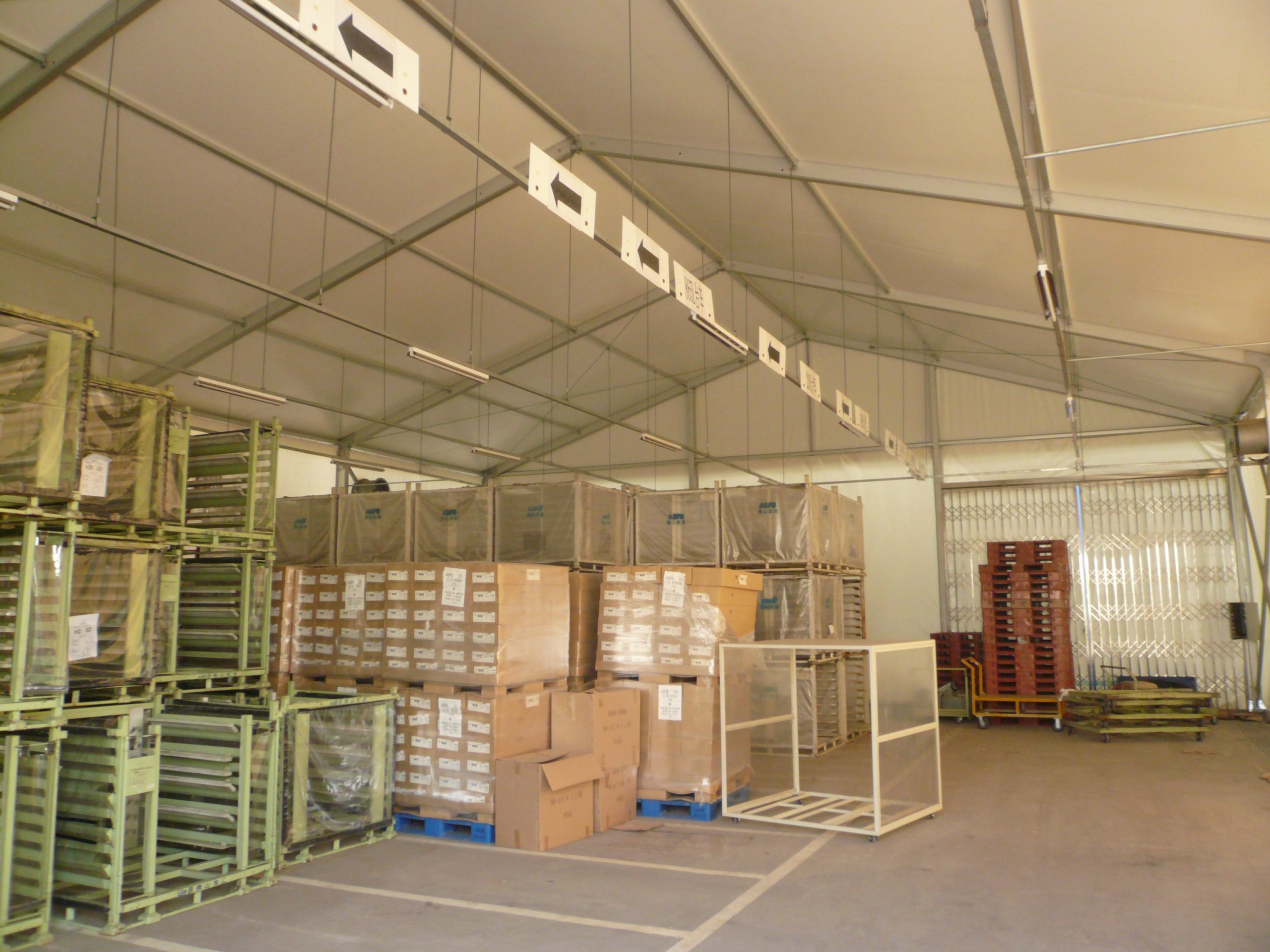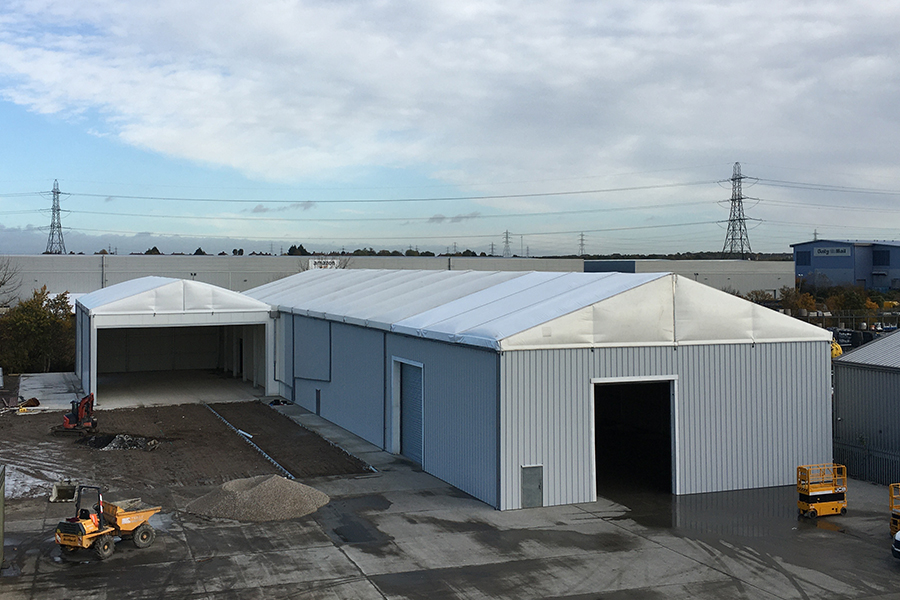
Picture this: your Q3 orders just spiked, a massive shipment of raw materials arrived weeks early, and your current warehouse is packed to the rafters. Panic sets in. You need secure, reliable space right now, not six months from now. Pouring concrete and waiting on a general contractor simply takes too long. This is exactly where temporary storage tents step in to save your supply chain.
Quick Summary: Businesses need temporary storage tents because they provide rapid, cost-effective space expansion. Unlike permanent buildings, these relocatable structures take days to install, require minimal foundation work, and offer the flexibility to scale up or down easily, solving sudden inventory overflow while drastically cutting construction expenses.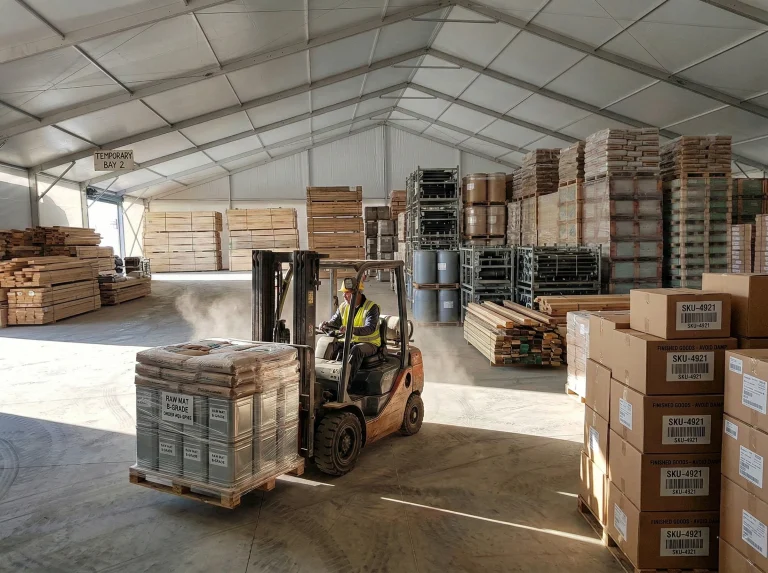
The Hidden Costs of Traditional Warehousing
When facility directors run out of space, the default reaction is often to look at leasing off-site commercial real estate or building a permanent brick-and-mortar addition. Both options come with severe hidden drawbacks.
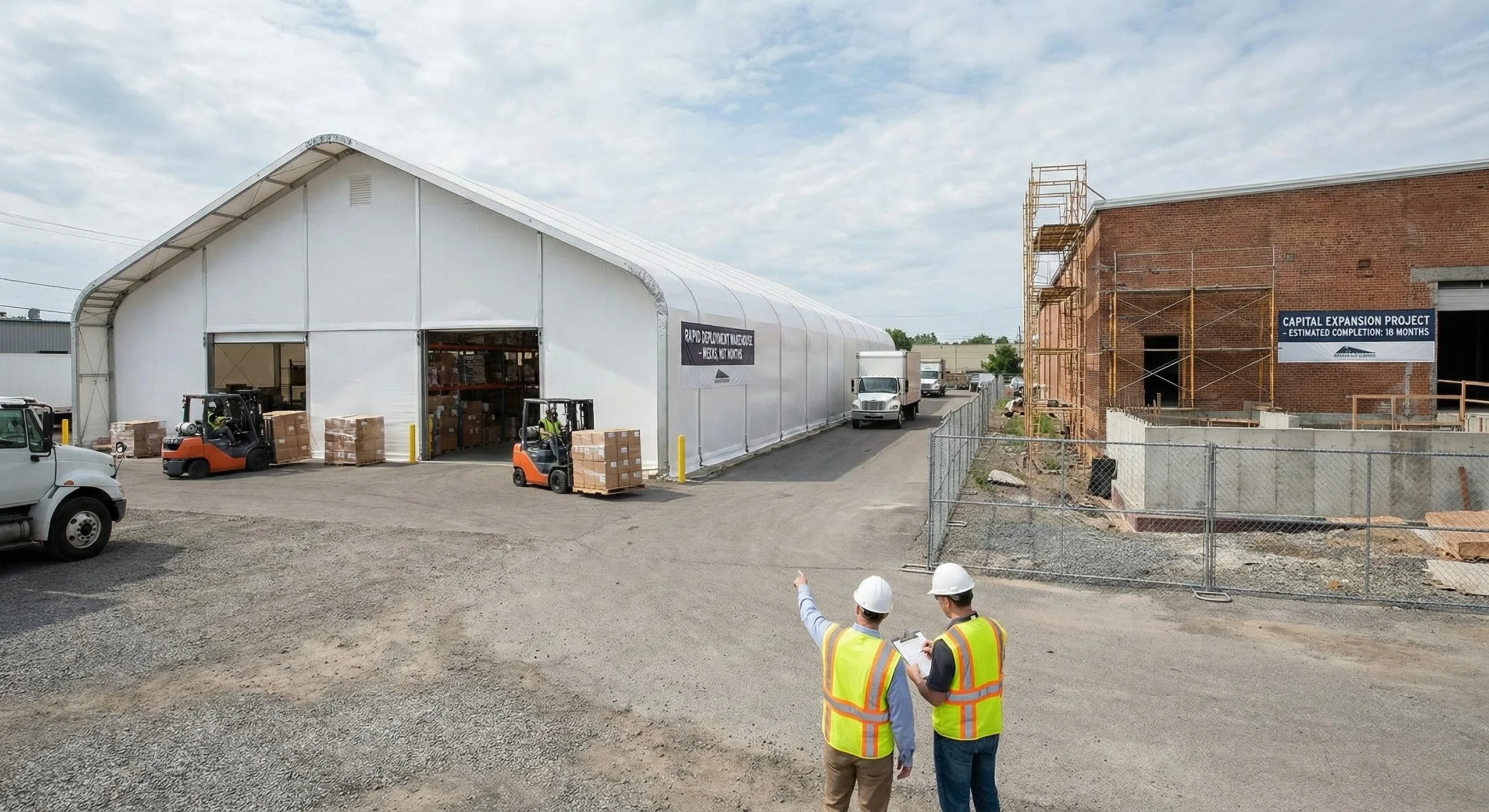
Leasing off-site space means double-handling your inventory, paying extra for transportation, and complicating your logistics. Building a permanent facility means dealing with architects, unpredictable raw material costs, and weather delays. A temporary warehouse tent removes these roadblocks entirely, allowing you to expand right on your own property.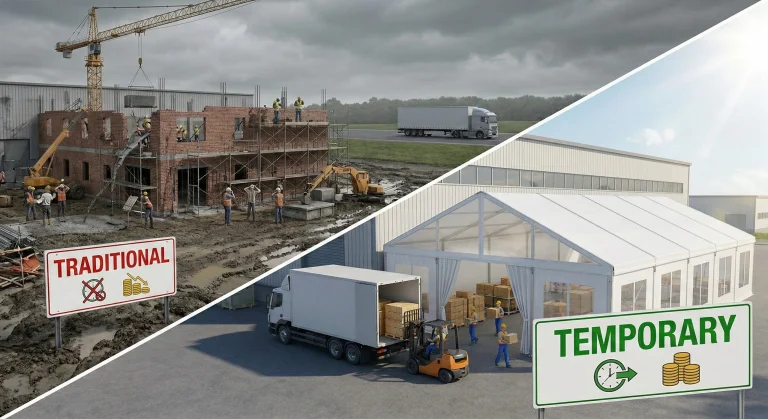
4 Core Advantages of Temporary Warehouse Tents
When you are managing a tight supply chain, every square foot and every dollar counts. Here is why upgrading your site with industrial tents makes smart business sense.
Rapid Deployment: From Dirt to Fully Operational in Days
Time is money. If you decide to build a permanent warehouse, you are looking at a timeline of six to twelve months—assuming the supply chain for concrete and heavy structural materials cooperates.
Warehouse tents flip this script.
- Days, not months: A standard 10,000 sq. ft. industrial tent can be fully erected and operational in a matter of days.
- Minimal disruption: The installation process is clean. You do not have heavy excavation equipment tearing up your lot or blocking your loading docks.
- Immediate ROI: Faster setup means you can start storing inventory, protecting assets, and fulfilling orders almost immediately.
Financial Engineering: Breaking Down the Cost Savings
Traditional buildings require heavy investments in specialized labor and deep concrete foundations. Temporary storage tents bypass the bulk of these expenses, directly improving your bottom line.
- No deep foundation required: You can install these structures directly onto existing asphalt, concrete, or even compacted gravel. We use heavy-duty ground anchors or weight plates to secure the structure safely.
- Lower upfront capital: The cost per square foot for an industrial tent is a fraction of a permanent build.
- Smart tax benefits: Because they are classified as equipment rather than permanent real estate, flexible storage solutions often qualify for accelerated tax depreciation. Plus, adding a tent usually does not trigger a massive hike in your property taxes.
Unmatched Flexibility & Relocatable Design
Business needs shift rapidly. What works for your inventory levels this year might be completely inadequate next year. You need a building that adapts to you.
- Modular design: Built with modular frames, you can add or remove 5-meter bays to expand or shrink the tent’s footprint as your storage needs change.
- 100% Relocatable: Moving to a new facility across town? Take your warehouse with you. These are genuine relocatable buildings that can be dismantled, transported, and reassembled with zero loss in structural integrity.
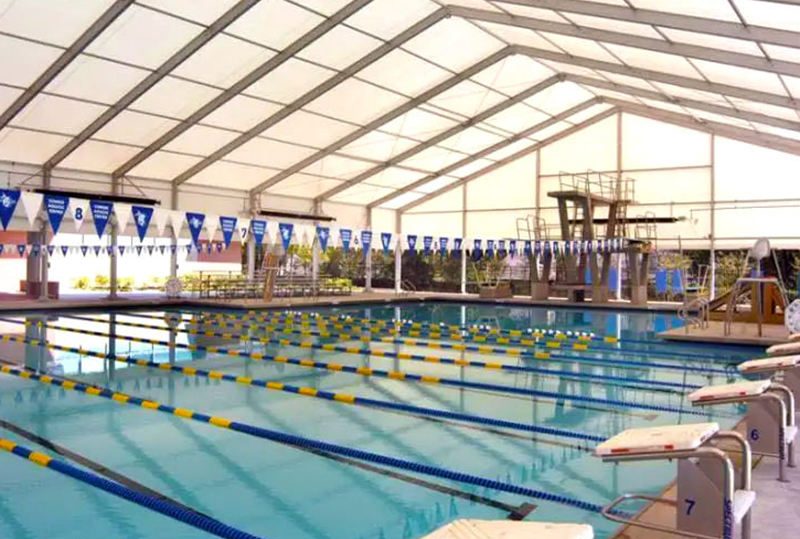
- No internal columns: The clear-span engineering guarantees 100% usable interior space. Your forklifts, racking systems, and automated guided vehicles (AGVs) can maneuver freely without dodging support pillars.
Bypassing the Permitting Nightmare
Navigating local building codes for a permanent structure is a well-known headache. Because local municipalities generally classify storage tents as temporary or semi-permanent structures, the red tape is significantly reduced. You can often secure permits much faster, allowing you to bypass lengthy zoning approval boards and get your operations moving.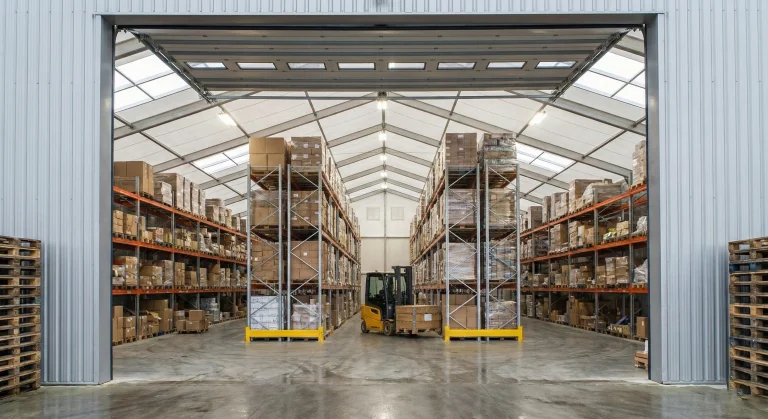
Temporary Storage Tents vs. Traditional Warehouses: The Hard Data
To give you a clear picture of how these two options stack up, let’s look at the operational differences.
| Feature | Temporary Storage Tents | Traditional Warehouses |
| Construction Time | 3 to 14 days | 6 to 12+ months |
| Cost per Sq. Ft. | Extremely low | High capital investment |
| Foundation Needs | Minimal (Asphalt, concrete, earth) | Deep concrete foundation required |
| Mobility | 100% Relocatable | Permanent (Cannot be moved) |
| Scalability | High (Easily add or remove modular bays) | Low (Requires major renovation) |
| Tax Classification | Often treated as depreciable equipment | Real estate (Subject to property tax) |
The Engineering Behind the Canvas (Specs & Materials)
When buyers hear the word “tent,” they sometimes imagine a fragile party canopy. That is a dangerous misconception. Modern industrial tents are heavy-duty, engineered structures designed to act as true warehouse substitutes.
High-Strength Aluminum Frames
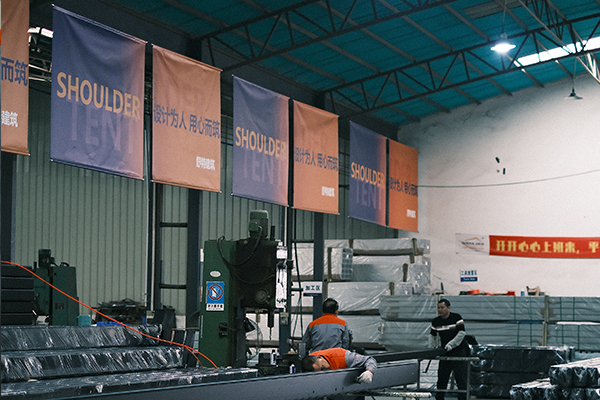
At Shoulder Tent, we exclusively use premium materials. The skeleton of a proper warehouse tent is built from hard-pressed extruded aluminum alloy (specifically grades like 6061/T6 or 6082/T6). This material offers an incredible strength-to-weight ratio. It is highly resistant to corrosion, meaning it will stand up to harsh industrial environments without degrading or needing constant painting.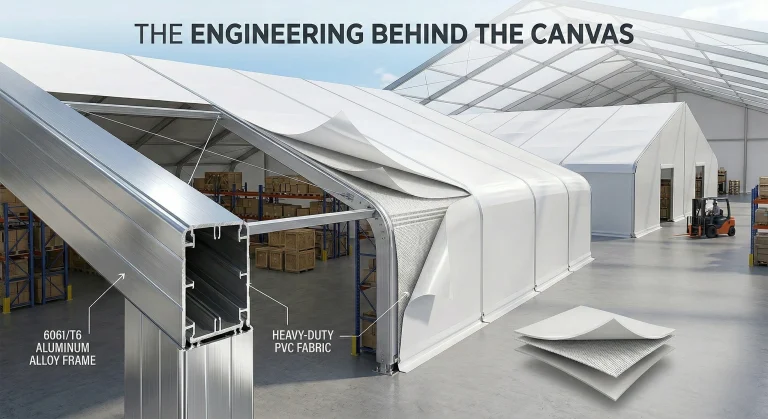
Industrial-Grade PVC Fabric
The roof and walls utilize heavy-duty, double-coated PVC polyester fabric. This isn’t just waterproof; it is engineered for safety and durability.
- Flame Retardant: The materials meet strict international fire safety standards, including DIN4102 B1 and M2.
- UV Protection: The opaque fabric blocks harmful UV rays, protecting sensitive inventory (like plastics, chemicals, or electronics) from sun damage and regulating the internal temperature.
- Tear Resistant: Knife-coated technology ensures the fabric won’t rip even under severe tension.
Extreme Weather Ratings
Can it handle a storm? Yes. These relocatable buildings are mathematically engineered to handle specific wind and snow loads based on your geographic location. Standard industrial tents are rated to withstand wind speeds of 100 km/h to 120 km/h, and the steep roof pitch ensures heavy snow slides right off rather than accumulating and causing structural stress.
Real-World B2B Applications (Use Cases)
You will find these flexible storage solutions working hard across dozens of industries. Let’s look at how specific sectors use them to solve active bottlenecks.
Scenario A: Cross-Border E-Commerce Peak Season
An e-commerce fulfillment center faces massive volume spikes during the Black Friday and holiday shopping season. Instead of paying premium rates for a short-term warehouse lease 20 miles away, they install a 1,000-square-meter temporary tent directly in their parking lot. This acts as a dedicated cross-docking station for fast-moving consumer goods, keeping their logistics centralized and highly efficient. Once the Q1 slowdown hits, they can dismantle it or keep it for returns processing.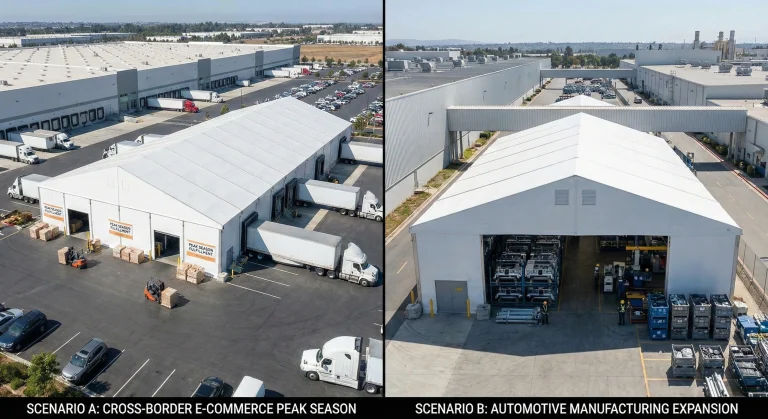
Scenario B: Automotive Manufacturing Expansion
A tier-1 auto parts supplier lands a massive new contract, requiring them to ramp up production immediately. Their current facility is out of floor space. By erecting a temporary storage tent adjacent to their assembly line, they create an instant, weather-proof buffer zone for raw metals and plastic components. This allows them to maintain a “Just-In-Time” manufacturing process without spending a year waiting for a new building to go up.
Sustainability: The Green Advantage of Relocatable Buildings
Sustainability is a growing priority for global supply chains. Temporary storage tents offer a surprisingly green alternative to traditional construction.
First, the installation process requires zero destructive excavation, leaving your site’s original topography completely intact. Second, the primary building material—the aluminum alloy frame—is 100% recyclable. Finally, because these structures are modular and relocatable, they represent the ultimate form of reusable industrial infrastructure. When you are done with a building, it doesn’t get demolished and sent to a landfill; it simply gets moved and repurposed for another project.
Ready to Expand Your Space?
Finding the right storage solution shouldn’t be a bottleneck for your company’s growth. Waiting on permanent construction costs you time, money, and lost opportunities.
At Shoulder Tent, we specialize in engineering high-quality, durable, and highly customizable industrial tents tailored exactly to your operational needs. Whether you need a 500-square-meter overflow shelter or a massive logistics hub, we have the inventory and the expertise to get you covered fast.
If you are tired of dealing with cramped spaces and off-site storage fees, reach out to our team at Shoulder Tent today. We will gladly provide a custom quote and help you evaluate your specific site requirements.